Explore the best places


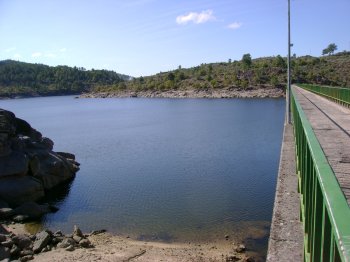
Barragem de Ranhados
- beach
- country
Ranhados
6430, Meda
A large gravity dam located at the crossing point between the Mondego Valley and the Douro Valley. It belongs to the Torto River and is used for municipal water supply. Sports activities are permitted, with some restrictions.
Sítio Arqueológico do Vale do Mouro
- heritage
Coriscada
6430-051, Coriscada
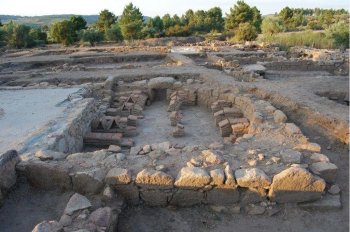
The target of several archaeological campaigns, the Vale do Mouro site has revealed a seven-thousand-year-old Neolithic settlement and a surprising Roman village, when it was thought the site had only been occupied in the third and fourth centuries AD. Silica and quartz flakes were found from the Neolithic period, while a mosaic panel, a unique find in inland Portugal, and a treasure trove of approximately 5,000 coins were discovered in the Roman bathhouse area. The Coriscada Sociocultural Center hosts a permanent exhibition dedicated to this site, the full significance of which remains to be seen.
Castelo de Marialva
- heritage
Marialva
6430-081, Marialva
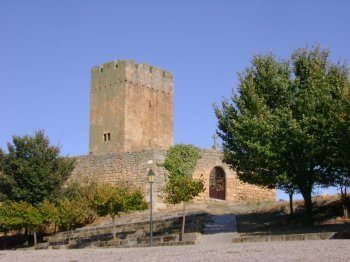
Classified as a National Monument in 1978, the castle that dominates the Historic Village of Marialva from atop a cliff likely dates back to the 12th or early 13th century, when King Sancho I promoted the settlement of the region. In 1286, King Dinis established one of the many fairs held during his reign there, so the oval shape of the walls surrounding the village, characteristic of the Gothic city perimeter of fortified towns in the Late Middle Ages, likely dates from this period. Although quite ruined, they maintain their original layout, and the three original gates can still be …
Torre do Relógio de Mêda
- heritage
Rua da Poça
6430-203, Mêda
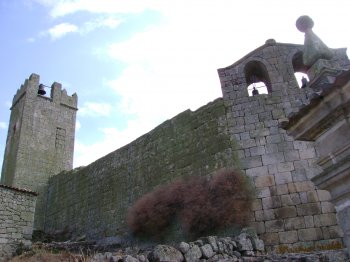
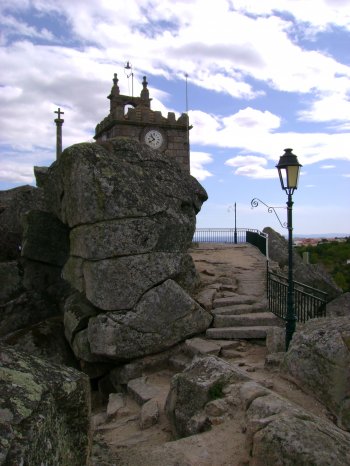
Clock tower built in the 19th century on the site of an old medieval tower that served as a lookout or military stronghold. Located atop a granite outcrop, it offers beautiful views of the town and surrounding area.
Museu Municipal de Mêda
- heritage
Largo da Igreja
6430-184, Meda
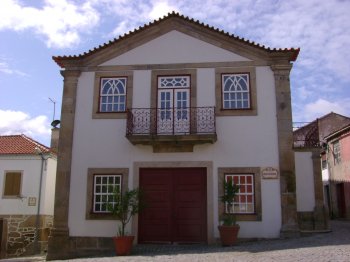
Located in the heart of the city's historic center and housed in a building that served as a jail for many years, this museum opened in 2001. It features an exhibition focusing on local ethnography and some temporary exhibits. It also features an auditorium.
Termas de Longroiva
- beach
- leisure
Lugar do Rossio
6430-071, Longroiva
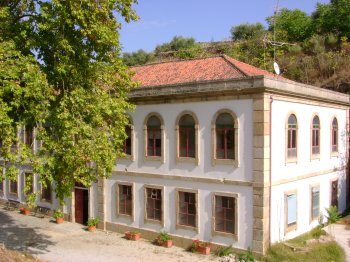
It is believed that the waters of these hot springs have been known since prehistoric times, having been explored by the Romans. They are especially recommended for the treatment of rhinitis and sinusitis, psoriasis, and lower back pain due to lumbar spondyloarthritis.
Marialva
- country
- heritage
Marialva
6430-081, Marialva
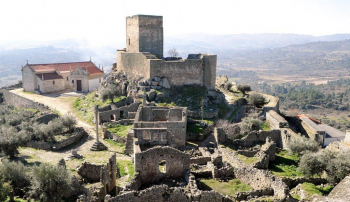
A settlement located on the left bank of the Marialva River, atop a hill surrounded by pine trees and cliffs. Its inhabitants are mostly dedicated to agriculture, with emphasis on cereals, wine, and olive oil. It has military roots, having also been occupied by the Goths and Romans and, later, by Dom Afonso Henriques. Marialva is divided into three nuclei: Devesa, which extends across the plain to the Marialva River; Arrabalde, which extends beyond the walls; and the Citadel, within the walls, which recently ceased to be inhabited.
Pelourinho de Ranhados
- heritage
Largo Miguel Costa
6430-362, Ranhados
Declared a National Monument in 1915, this Manueline pillory, a platform-style pillory, consists of a circular base with three steps, a beam-shaped shaft with four straight lintels, and a capital with four gargoyles. Highlights include a fleur-de-lis, four corbels, and ornaments featuring human and zoomorphic figures.
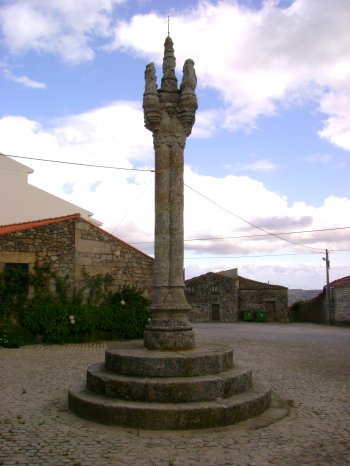
Castelo de Ranhados
- heritage
Rua do Castelo
6430-362, Ranhados
Classified as a Property of Public Interest in 1977, Ranhados Castle sits on a hill overlooking the village of the same name, approximately 838 meters above sea level. Archaeological evidence attests to the existence of a protohistoric fortified settlement, later Romanized. Its construction dates back to the reign of King Dinis, when he granted the town a charter (1286) to encourage its settlement and defense. At the end of the 14th century, these lands were donated to two Távora brothers, and some authors argue that it was built during this period, given the simplicity of the design and the apparent …
Castelo de Longroiva
- heritage
Rua do Adro
6430-071, Mêda
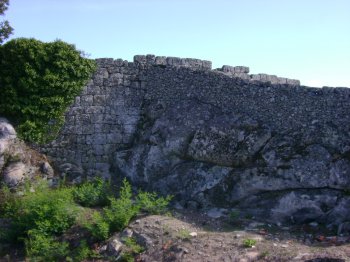
The medieval castle of Longroiva is one of the most important examples of Templar military architecture in Beira Interior and one of the best examples of a Romanesque castle in the region. Built on a supposed pre-Roman hillfort, built between the 4th and 2nd centuries BC, its construction coincided with a significant surge in settlement in the region in the early 12th century, having belonged to the Order of the Temple and the Order of Christ. In the 18th century, with the settlement's progressive decline in importance, the castle's progressive ruin was documented. In the 19th century, the castle began …