Explore the best places


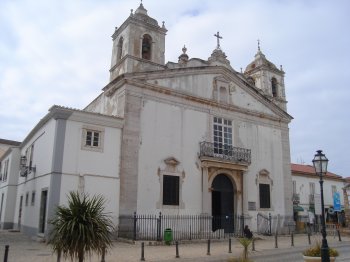
Igreja de Santa Maria
- heritage
Praça do Infante Dom Henrique
8600-525, Lagos
This temple was built beetween the 15th and 16th centuries and later rebuilt following a fire. In its interior, a special note to the images of Our Lady of Assunção and Our Lady of Piedade. In the sacristy there is a set of images of the 18th century, with a special note to the image of Jesus as a Child, wearing clothes of the time.
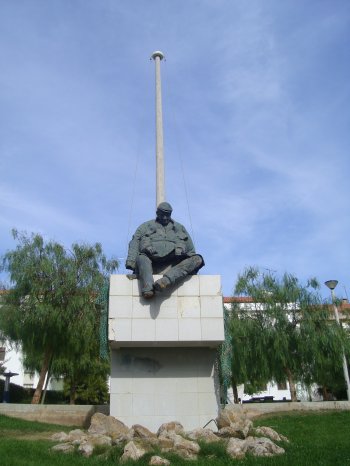
Estátua aos Pescadores de Lagos
- heritage
Rua Álvaro Esteves
8600, Lagos
A statue that is a simple tribute to the fishermen of Lagos, brave men who defy the sea with their boats.
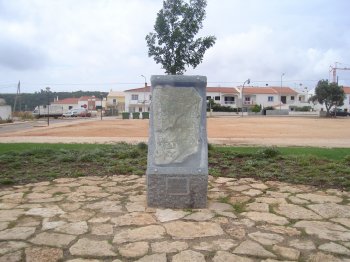
Réplica de Estela Tumular da Idade do Ferro
- heritage
Bensafrim
8600, Bensafrim
A replica of a tumular stele dating back to 800 to 500 years bC.
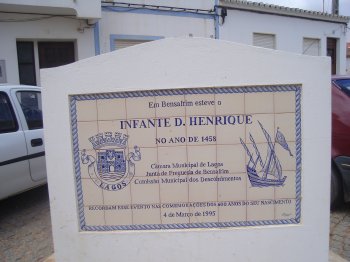
Painel de Azulejos Infante Dom Henrique
- heritage
Rua do Rossio
8600, Bensafrim
A tile panel to remind Henry the Navigator's passage in this place and to celebrate the 6oo years of his birth.
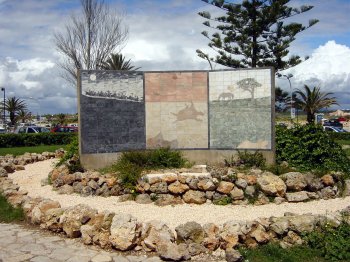
Painel de Azulejos Alcácer Quibir
- heritage
Avenida dos Descobrimentos
8600, Lagos
A tile panel that represents the Alcácer Quibir battle, with references to the disappearance of king Dom Sebastião. It was inaugurated in the 1980s.
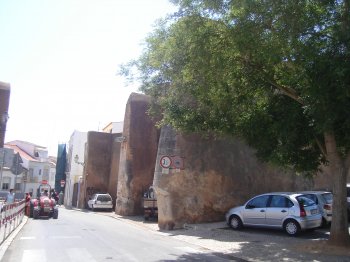
Muralhas e Torreões de Lagos / Baluarte da Porta dos Quartos
- heritage
Rua Infante de Sagres
8600-743, Lagos
Of the ancient walls there are only left the Gate of Portugal, the Gate of the Postigo and the remannts of old courtiers. It is said that Dom Sebastião was present at a field mass before going to the battle of Alcácer Quibir and that he saw it from a manuelin window one can still see on the walls.
Igreja Matriz da Conceição de Faro
- heritage
Rua 25 de Abril
8000, Faro
A church with a longitudinal plan, a sole nave and a manuelin main chapel, with a portal of the late Renaissance. The main façade and the belltower are neoclassic. One should notice the triumphal arch and the main chapel with a star dome.
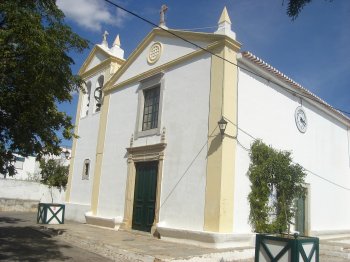
Edifício do Teatro Lethes/ Antigo Colégio de Santiago Maior
- heritage
Rua de Portugal, 58
8000-281, Faro
This small building was built in a place previously occupied by the Colégio de Santiago Maior. It was founded in the first half of the 17th century by the Companhia de Jesus. In the 19th century, the church was adapted to a theatre and the three doors and three windows of the original building were preserved. The central body was enlarged at the expense of the two towers that surrounded it. The interior was adapted to its new functions.