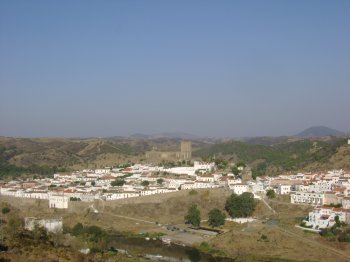
Explore the best places


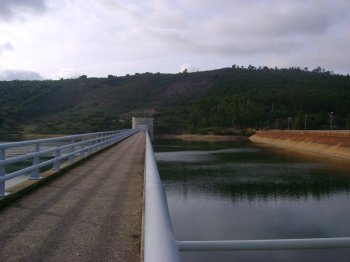
Barragem da Apartadura
- beach
- country
Rasa
7330, São Salvador da Aramenha
Dam located on the Ribeira de Reveladas (Tejo River Basin). It is used for irrigation and water supply. The Apartadura reservoir area is located within the Serra de São Mamede Natural Park. It allows for the practice of motorless water sports.
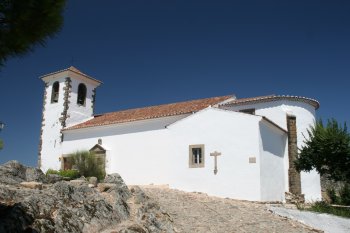
Museu Municipal de Marvão
- heritage
Largo de Santa Maria
7330-101, Marvão
Housed in the Church of Santa Maria since 1987, the museum houses pieces donated or donated by the local population. Here, you'll learn about the municipality's history from the Paleolithic era to the 20th century. Sacred art, archaeology, ethnography, and armory comprise the four core areas of the Marvão Municipal Museum.
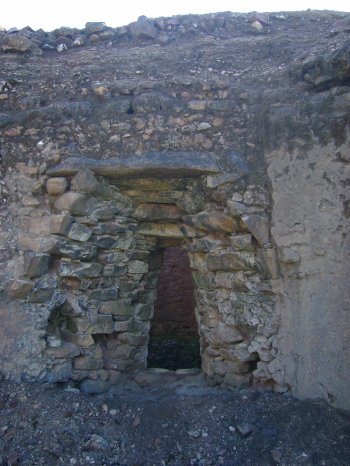
Caleiras da Escusa
- heritage
Escusa
7330, São Salvador da Aramenha
These structures were closely associated with local limestone mining and lime production. They were built in the 20th century and ceased operation around 1960.
Ponte Romana de Portagem
- heritage
Rua da Ponte Romana
7330, Portagem
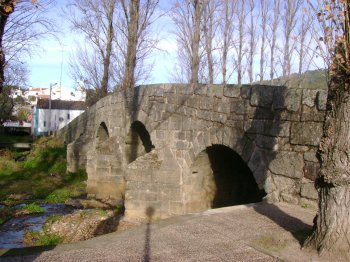
The Roman Bridge of Portagem boasts 16th-century architecture that repurposed materials from an earlier Roman bridge. It features a ramped deck and round arches.
Convento de Nossa Senhora da Estrela
- heritage
Marvão
7330, Marvão
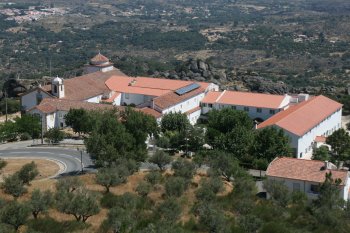
This church features a portico with four undecorated ogival archivolts on its main façade. It is the only Franciscan convent in Marvão. At the top of the portico is a window surmounted by the Franciscan symbol and flanked by Rococo decoration. The cloister still features an ogival section and 17th-century archways. Noteworthy are the 18th-century tilework.
Centro Histórico de Marvão
- heritage
Marvão
7330, Marvão
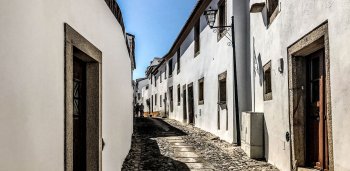
Located in the Serra de São Mamede Natural Park, the medieval-style village encompasses an urban agglomeration with around 150 houses, most dating from the 14th to the 16th century, which line the long, narrow streets.
Azenhas do Guadiana
- heritage
Mértola
7750, Mértola
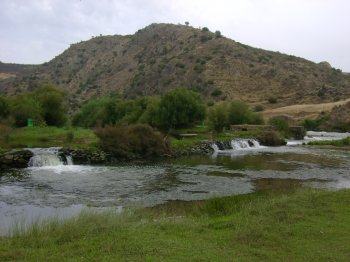
In the past, watermills used the Guadiana River to transform grain into flour. Today, watermills are places of leisure.
Mina de São Domingos
- heritage
Corte do Pinto
7750-102, Corte do Pinto
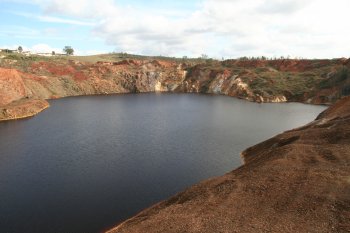
A mining complex established in the 19th century to exploit a copper-bearing pyrite mine whose deposit had been exploited in Roman and pre-Roman times. The main elements extracted during modern mining, between 1854 and 1966, were copper and sulfur. After the mine's closure, the equipment was dismantled and sold, leaving the landscape today marked by mining activity and acid drainage.
Museu de Mértola - Basílica Paleocristã
- heritage
Largo do Rossio do Carmo
7750-326, Mértola
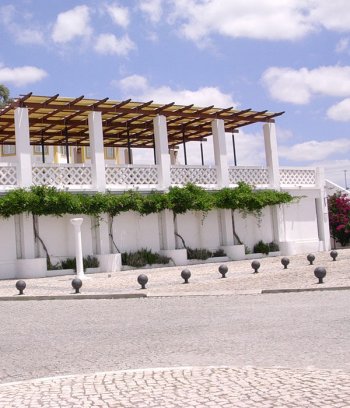
This funerary basilica was located next to the Roman road connecting Mértola to Beja. This important monument was partially excavated in the late 19th century, and several funerary inscriptions were recovered from it, now housed in the National Archaeological Museum in Lisbon. Currently, it houses a museum where the foundations and floors of the former church are preserved. This museum contains inscribed stelae, which constitute the most important collection of Early Christian tombstones found in Portugal.
Mértola
- country
- heritage
Mértola
7750, Mértola
Situated on a promontory overlooking the right bank of the Guadiana River and the left bank of the Oeiras River, lies the urban agglomeration of Mértola. Its privileged location has allowed it great military and commercial importance. This picturesque village, with traditional houses and a significant built heritage, has earned it the status of a "Museum Village." Intense archaeological activity has uncovered this vast heritage. A stroll through Mértola reveals the Castle and the Parish Church, both classified as National Monuments.